Cricket Season Retail Sales: How Pakistani Shops Win Match Days
When cricket fixtures dominate Pakistani screens, retail footfall and impulse buying surge. Here is how small shop owners can turn match-day rushes into lasting profit.
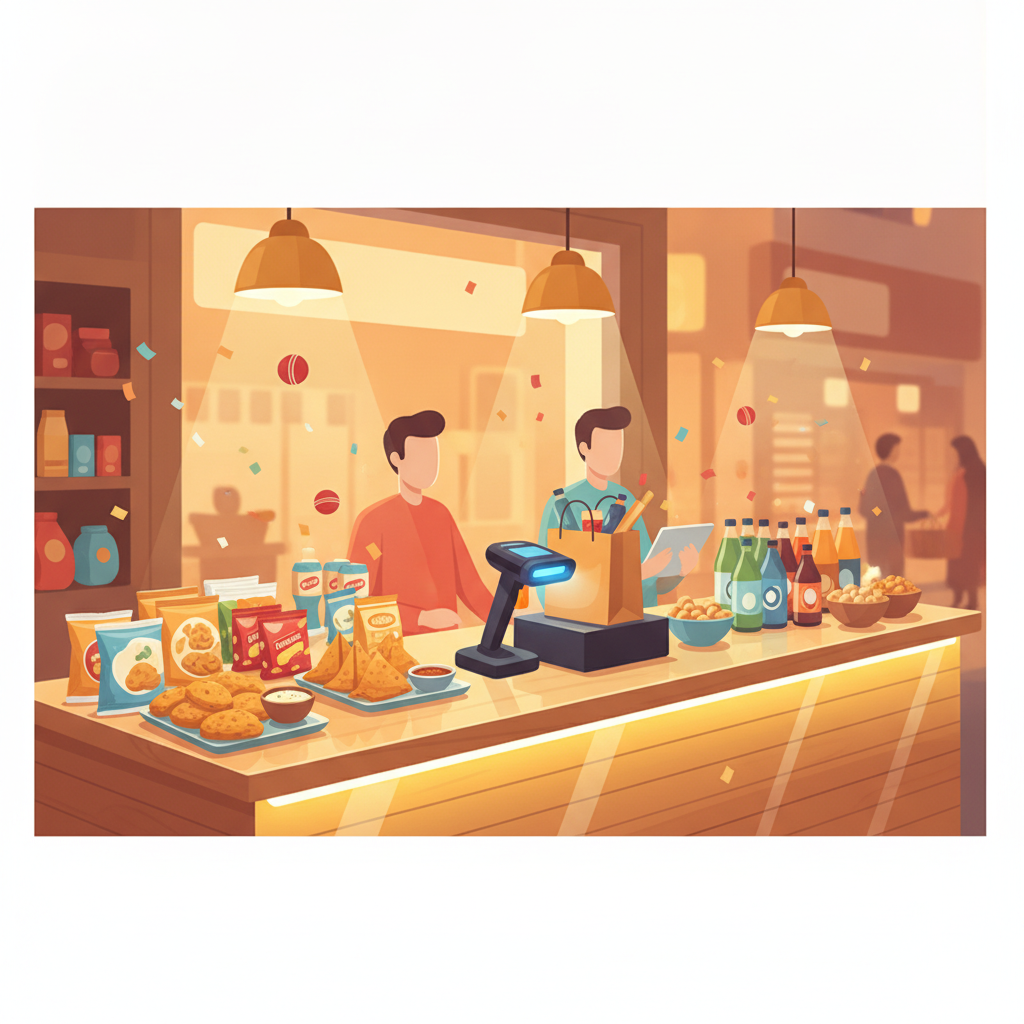
Whenever international cricket fixtures fill the schedule, everyday life across Pakistan rearranges itself around the scoreboard. From Karachi to Peshawar, living rooms crowd around television sets, chai dhabas drag extra plastic chairs onto footpaths, and millions tune into live mobile streams. Search engines in Pakistan reflect the exact same frenzy, with spikes in cricket queries dominating online trends as fans track batting milestones and match results.
For corner grocery stores (kiryana shops), bakeries, snack corners, and neighbourhood cafes, this national pastime is far more than casual entertainment. It is one of the most reliable catalysts of impulse consumer spending on the retail calendar. When a tight match gets underway, retail dynamics shift instantly. Footfall does not distribute itself evenly across the afternoon; instead, it arrives in dramatic waves before the opening ball, during the twenty-minute innings interval, and immediately following the final over.
Yet, every tournament season, hundreds of Pakistani small business owners watch potential revenue slip right past their cash registers. They run out of chilled soft drinks midway through the second innings, stall queues with slow manual billing, or miscalculate inventory and tie up valuable cash in goods that sit untouched. Navigating the match-day surge requires preparation, operational speed, and a clear understanding of shifting consumer demand.
Understanding the Match-Day Spending Wave in Pakistan
Broadcast sporting events drive an unmistakable uptick in domestic consumption. Market research from 6Wresearch on Pakistan's FMCG sector indicates sustained annual growth driven by packaged foods, snacks, and carbonated beverages, particularly as urbanisation and convenience-driven purchasing expand. During major cricket fixtures, this consumption compresses into high-velocity burst windows.
Pakistani shoppers do not browse leisurely during an intense match. Their buying patterns become urgent, collective, and convenience-driven:
- Chilled Beverages and Refreshments: 1.5-litre sodas, juice boxes, bottled water, and energy drinks become instant top-sellers as families and groups of friends gather to watch the broadcast.
- Impulse Snacking and Nimko: Packaged chips, roasted nuts, biscuits, traditional namkeen, and bakery patties experience sudden volume spikes an hour before match time.
- Chai and Quick Bites: Tea stalls and neighborhood bakeries witness aggressive rushes just after sunset or right between innings when viewers scramble for tea, samosas, and fresh savouries.
- Cellular Recharges and Data Cards: With digital streaming apps serving millions of fans on mobile phones, local mobile retail shops frequently observe bursts in prepaid mobile load and data top-ups right before kickoff.
The shopkeeper who treats a match evening like an ordinary weekday afternoon invariably leaves money on the table. Maximising these windows requires running your counter with retail discipline.
The 4 Costly Mistakes Retailers Make During Event Surges
High consumer demand can expose hidden cracks in daily retail operations. If your store suffers from disorganised shelves or slow calculation methods, a sudden crowd creates chaos rather than cash flow. Here are the most frequent pitfalls small retailers face during tournament rushes:
1. The Inopportune Stockout Trap
There is nothing more damaging on a match evening than having a customer ask for two large bottles of cola or a family pack of wafers, only for your sales worker to announce that the refrigerator is empty. When high-velocity FMCG items run dry during a game, buyers do not wait for your next delivery; they simply walk ten meters down the road to your competitor.
2. The Innings-Break Checkout Bottleneck
During a twenty-minute innings break, ten customers may enter your grocery or mart at the exact same moment. If your staff still relies on manual price calculation, paper receipts, or mental arithmetic, queues spill into the aisles. Customers holding one or two impulse items often abandon their goods on the nearest shelf and leave empty-handed rather than waiting ten minutes in line.
3. Overstocking the Wrong Stock-Keeping Units (SKUs)
Excitement around an event often tempts store owners into ordering indiscriminately from wholesale distributors. Stocking excess inventory of slow-moving household staples, bulk cleaning supplies, or unbranded novelties drains working capital. Match spending concentrates heavily on ready-to-consume snacks and drinks, not bulk pantry goods.
4. End-of-Day Cash and Inventory Mismatches
When counters become hectic, hurried staff make mistakes: incorrect change is returned, unrecorded items walk out the door, and loose cash drawers fail to reconcile with physical inventory. By midnight, a shopkeeper might boast record sales, only to find that operational leakage eroded the actual margin.
The Match-Day Retail Playbook: Practical Steps for Shopkeepers
To turn event-driven surges into predictable profit, small store owners should follow a proactive playbook before, during, and after major match fixtures.
- Audit Your Cold Storage 24 Hours in Advance: Beverages only sell if they are cold. Restock your display chillers the night before so stock reaches optimal temperature well before game time. Arrange additional backup bottles in crates behind the counter so your floor boy can reload empty shelves in seconds.
- Create "Match Watch" Counter Bundles: Simplify purchasing decisions for your shoppers. Package a 1.5-litre beverage with two bags of crisps or a box of tea biscuits at a clean, round price point. Grouping high-margin snacks near the register encourages last-minute additions to the basket and speeds up transactions.
- Establish Fast-Lane Clearance: If you operate a mini-mart or busy bakery, designate a quick-service area or single-scan counter for customers purchasing three items or fewer. Keeping the casual impulse buyer moving ensures your shop never appears overcrowded from the street.
- Assign Clear Roles to Floor Staff: During peak hours, do not let your cashier leave the counter to retrieve stock from the back room. Divide responsibilities clearly: one person remains anchored to the billing station, while another monitors floor shelves and chilled display units to restock immediately as products deplete.
"A retail surge only translates into profit when your checkout speed matches customer urgency. When lines crawl, sales disappear."
How CPOS Helps You Master High-Volume Retail Windows
Handling seasonal rushes requires software that operates as quickly and reliably as your front counter demands. CPOS (https://cpos.pk) is point-of-sale software designed specifically for businesses across Pakistan—including grocery stores, bakeries, restaurants, retail shops, and mobile stores—helping owners maintain total control even during peak hours.
Here is how CPOS keeps your shop ahead during high-volume event surges:
- Smart Billing with Rapid Barcode Scanning: Eliminate manual price entry and mental calculations. Scan products, apply pre-configured bundles or discounts, and generate instant invoices to clear busy queues in seconds.
- Real-Time Inventory Tracking & Low-Stock Alerts: Never be blindsided by an empty shelf. CPOS monitors your stock counts in real time, alerting you when fast-moving items like carbonated beverages or snacks reach critically low thresholds.
- Reliable Offline Mode: Loadshedding and unstable internet connections are everyday realities in Pakistani commercial markets. CPOS features a robust offline mode that lets you continue billing without internet; all data is stored locally, auto-syncs when your connection returns, and prints receipts seamlessly on supported thermal printers.
- Mobile App for Real-Time Oversight: Whether you are at the shop counter or away from the premises, the CPOS mobile app delivers real-time sale and low-stock alerts, team monitoring, and offline access directly to your smartphone.
- Clear Sales and Profit Analytics: Review exact sales, profit, and expense figures at the end of the evening to see which items generated the highest margins, helping you refine your wholesale reorders for the next fixture.
Getting started is straightforward. CPOS offers a completely free Starter plan designed for small retailers, supporting up to 100 sales per day, up to 1,000 product SKUs, 1 warehouse or branch, and both desktop and web access. As your sales grow, paid tiers like the Basic plan (Rs 1,850 per month for up to 3,000 SKUs) and Standard plan (Rs 3,900 per month for unlimited SKUs and multi-user support) provide flexible scaling, backed by a 14-day free trial and a 10% saving on yearly billing.
Turn Temporary Excitement into Long-Term Customer Loyalty
Cricket fixtures and national sporting conversations will always capture the attention of millions across Pakistan. For retail entrepreneurs, these broadcast events offer recurring opportunities to attract new neighborhood faces into your shop and maximize average order value.
The shopkeepers who thrive are those who prepare their stock thoughtfully, eliminate counter delays, and rely on reliable modern tools rather than disorganized manual ledgers. When you provide a fast, hassle-free checkout experience while the game is on the line, first-time match-day buyers become loyal, regular customers for months to come.
Ready to upgrade your store's counter speed and inventory control before the next big rush? Explore how simple modern retail management can be and start with CPOS free today.